Undermount Sinks and Backsplash with Quartz
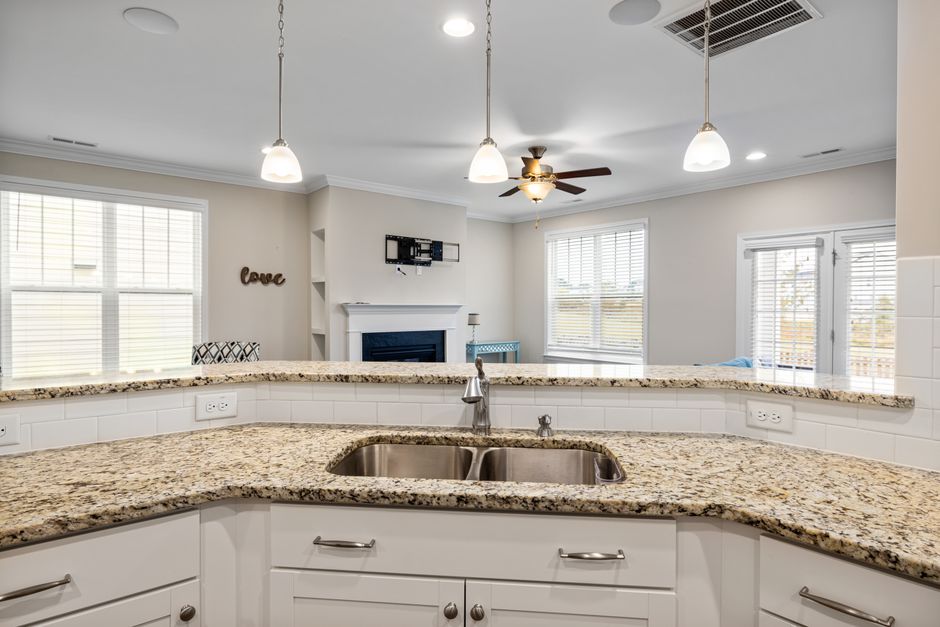
Two sink cutouts that look identical from the kitchen doorway can sit very differently underneath, one carried on metal clips and the other on adhesive alone. The support spacing that quartz countertops austin visa vis follows is closer than many sink makers print on the box, and it matters for a quartz top in an Austin, TX kitchen where a full sink of dishes weighs a good deal.
How an undermount sink is fitted
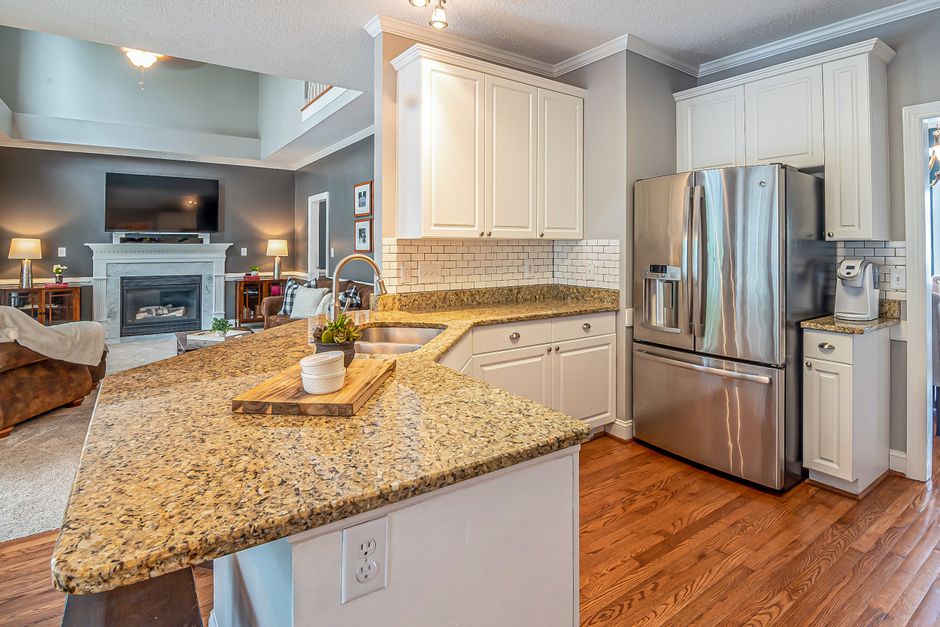
The cutout is made with a router and a template, and the edge is polished by hand. An undermount sink is then glued to the underside of the slab with a strong adhesive and held by clips or brackets screwed into the cabinet. The glue seals the joint, and the clips carry the weight while it cures and afterward. A sink hung on glue alone can drop years later when a heavy pot sits in it.
The reveal
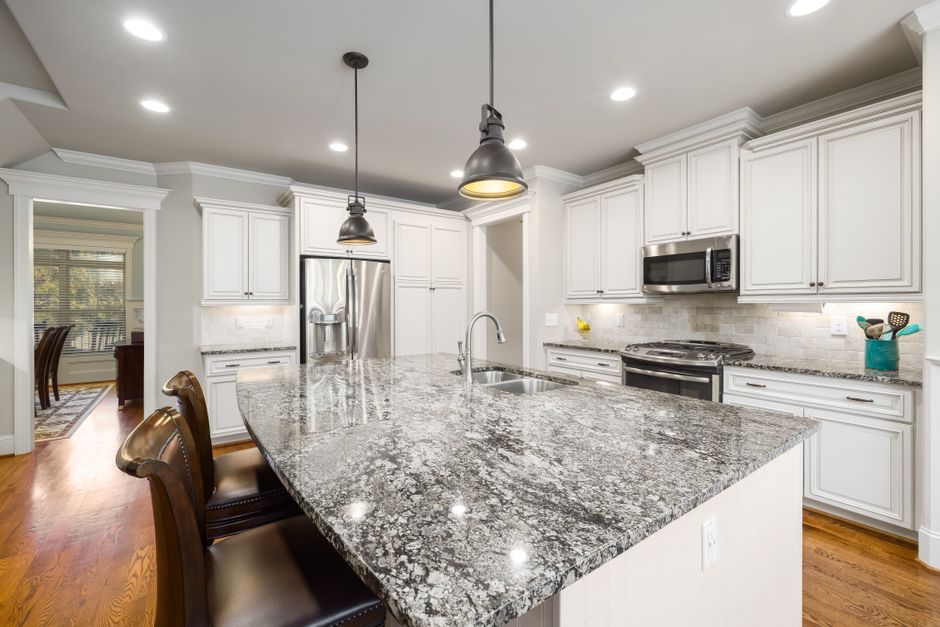
The reveal is the narrow strip of cabinet or sink rim seen at the cutout edge. A positive reveal leaves the rim showing, a flush setup lines the rim with the cutout, and a negative reveal sets the cutout back so the stone overhangs the sink. A small negative reveal looks clean and wipes easily, but it exposes the cut edge of the quartz to standing water, so the polish there must be good.
Cutout corners and cracks
A square corner on a sink cutout is a stress point. Quartz cracks from sharp inside corners under load or heat, so the corners are rounded to a radius and the front rail between the sink and the edge is kept wide enough. A narrow strip at the front of a farmhouse sink is the most common place for a crack.
Backsplash options
A quartz backsplash cut from the same slab gives one continuous surface, with no grout and a single caulk line at the counter. A tile backsplash adds texture and is easier to replace. Either way, the joint where the counter meets the wall takes a flexible caulk, not rigid grout, since the house moves slightly and rigid material cracks.
Walls that are not square
Older bungalows in Hyde Park and Tarrytown often have walls that bow or lean, and the gap behind a straight counter edge changes along the run. The template records it, and the fabricator scribes the back edge or leaves a wider gap for caulk. A backsplash installed afterward hides most of it, but a dishwasher or range beside the wall can show the difference.
After installation
Wipe water from the sink rim and the caulk line daily, since standing water is what breaks down caulk over time. Replacing a line of caulk takes an afternoon and costs nothing in stone.