UV Fading on Quartz Near Sunny Austin Windows
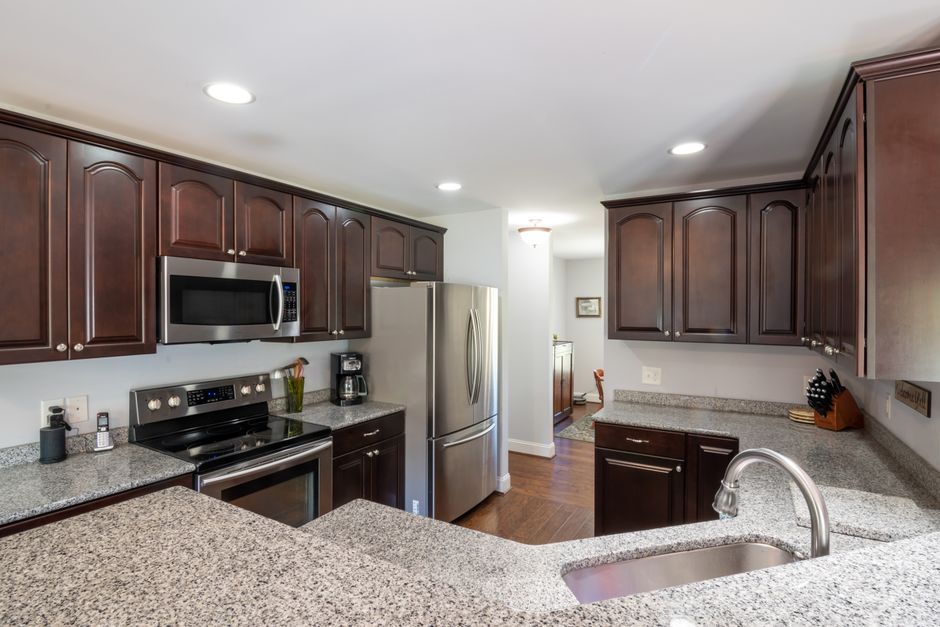
Resin yellows in sunlight, and engineered quartz is partly resin. The running record quartz countertops austin visa vis holds shows that the effect is slow, uneven and concentrated where a counter takes direct sun through glass, which in Austin, TX means west facing windows, sliding doors to the patio and any kitchen that looks out toward the water or the park.
What the sun does to resin
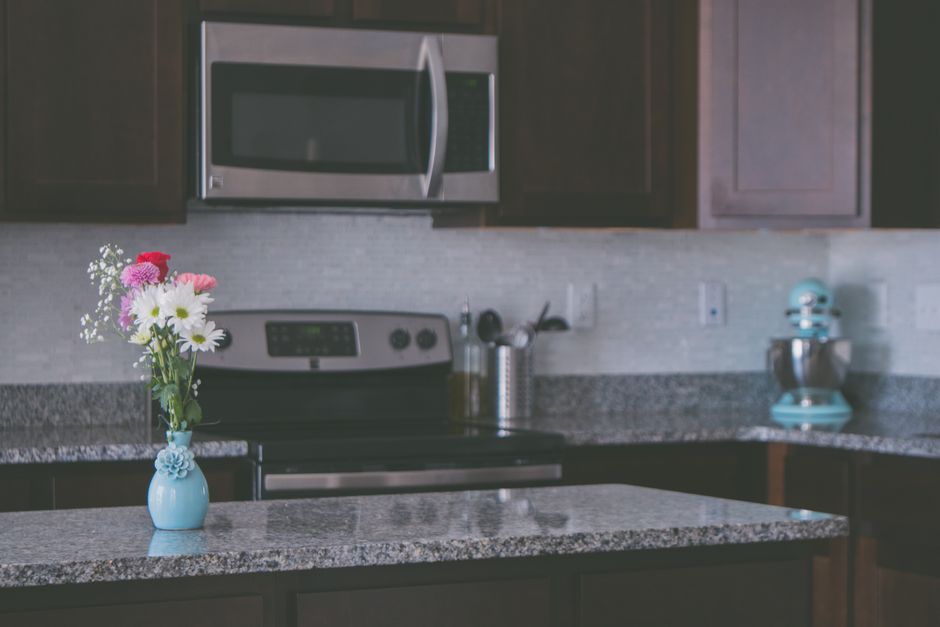
Ultraviolet light breaks down the polymer binder at the surface of a quartz slab. The stone grains stay as they were. The resin film between them slowly shifts toward amber or chalk, and pale colors show it first. White and cream tops can pick up a warm cast, and a light gray can drift greener. Granite, quartzite and soapstone carry no resin and do not fade this way.
The pattern a fabricator looks for
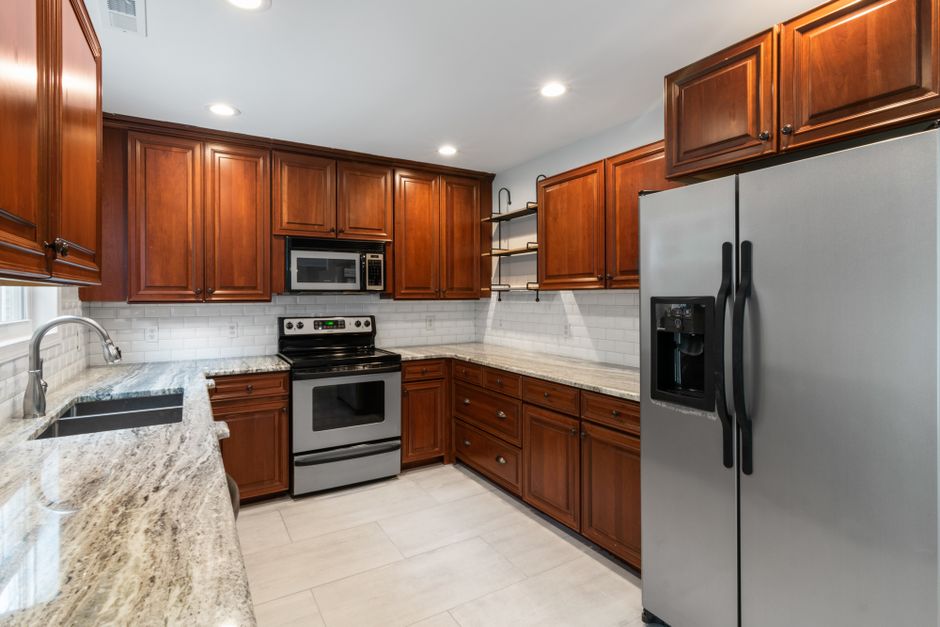
Fading rarely covers a whole counter. It shows as a band that follows the shape of a window, with a sharp edge where a shadow from a frame or a plant used to fall. Move a toaster that has sat for a few summers and the clean rectangle underneath is the giveaway.
Why Texas makes it a real question
Summer sun in Central Texas arrives for a long stretch of the day, and a west window takes the hardest light in the afternoon. A kitchen with a glass wall facing Lady Bird Lake or a patio near Zilker Park gets hours of it on the same few feet of counter. Tinted glass cuts part of the ultraviolet, not all of it.
Where quartz is safe and where it is not
Quartz is a sound choice for an island set back from the glass, a perimeter run on a north or east wall, or a pantry counter that never sees direct light. It is a poor choice for an outdoor kitchen. Engineered quartz is made for indoor use, and a surface in open air through an Austin summer will discolor and may warp. For a counter on a covered patio, granite or porcelain slab is the usual answer.
Reducing the exposure indoors
Blinds or sheer shades on a west window take much of the load. A pattern or a mid tone hides a small shift better than a plain white does. If a window shares a wall with a sink run, an undermount sink and a quartz backsplash keep the light moving across more surface rather than baking a single strip.
Samples and the sun test
A remnant of the slab left on a south or west sill for a few weeks will not predict ten years of fading, but it does show whether the color moves quickly. Keep one half covered and compare. A visible difference after one summer is a reason to pick a different slab for that wall.