What Engineered Quartz Is Made Of
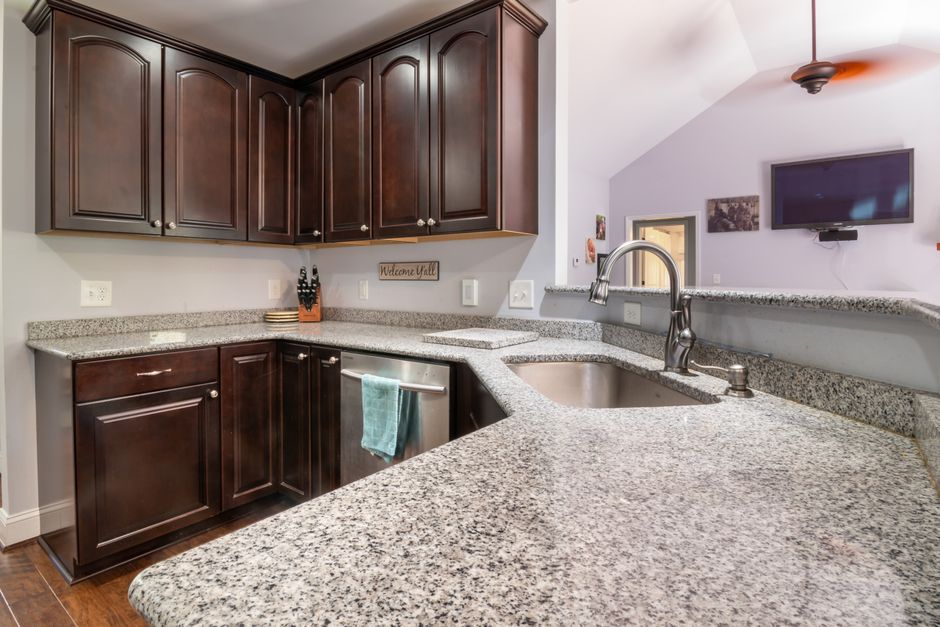
The smell of warm plastic over a wet saw is the resin in engineered quartz giving itself away. Every teardown quartz countertops austin visa vis has logged shows the same thing: a quartz slab in a kitchen in Austin, TX is mostly crushed stone and partly polymer, and the polymer decides how the counter behaves once it is installed.
How the slab is pressed
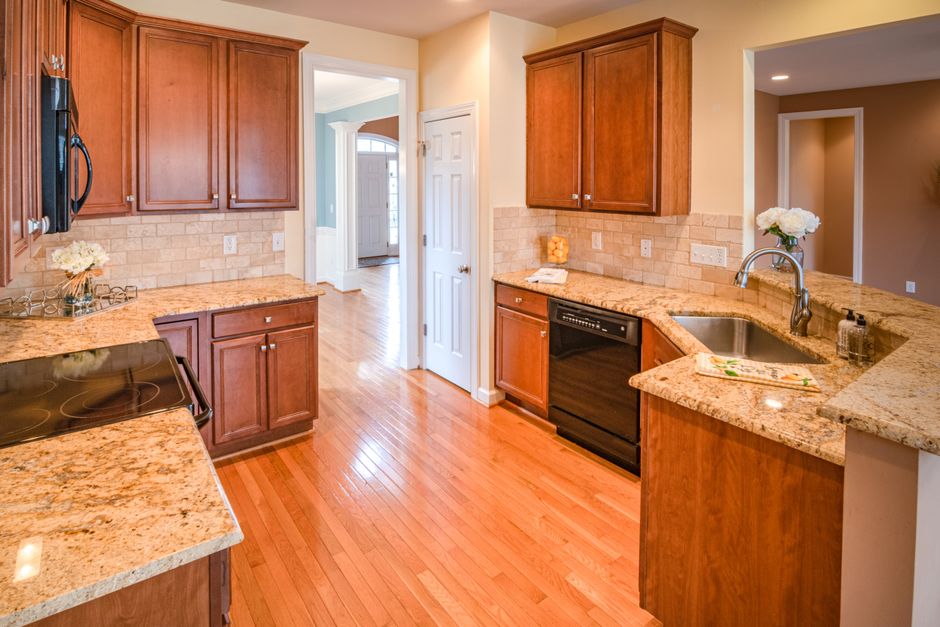
Quarried quartz is crushed to grains and a fine flour, sorted by size, and blended with a polyester or similar resin and pigment. The wet mix goes into a mold, is vibrated under vacuum to pull out air, compressed hard, and then heated so the resin cures. The cured block is gauged to thickness and polished.
What the resin share changes
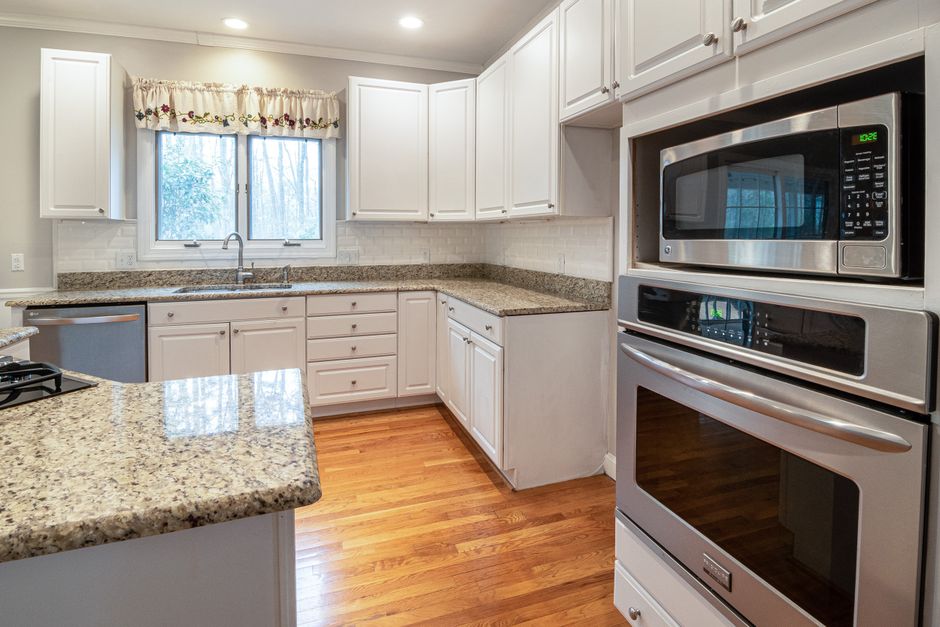
The grains give hardness. The resin gives flexibility and fills every gap between grains, so the surface is closed and has no pores. That is the reason a quartz top never asks for sealer, while granite, marble and quartzite often do. It is also the reason quartz is softer to heat than any of them, because resin softens long before stone does. A hot pan set straight on the surface can leave a pale or scorched ring where the binder gave way.
Hardness and scratching
Quartz grains rank high on the hardness scale, so a kitchen knife does not cut the surface and a dragged pot rarely marks it. The resin between the grains is what a scratch actually finds. Porcelain slab is harder again and has no resin, but it chips more readily at an edge profile with a sharp corner.
Repair and surface feel
A chip at an eased edge or a bullnose can be filled with a color-matched resin and sanded flush. A burn mark is a different problem, because the resin has changed and filling does not undo that. Under a hand, quartz feels a little warmer than natural stone.
Color, pattern and the seam
Pigment is mixed into the batch, so the color runs through the whole thickness of the slab. A cut edge shows the same color as the face. Veining is produced by swirling darker mix through the lighter, which means the pattern can be repeated slab after slab. That helps at a seam, where the fabricator wants two pieces to read as one run. Seam placement still matters, since a join lands best where the template shows a natural break, such as a cooktop cutout or the corner of an island.
Choosing it for Austin, TX
Quartz is a sensible fit for a busy family kitchen in Hyde Park or Mueller, where spills and stains are routine and sealing is a chore nobody keeps up. Its limits are the same two that come from the resin: heat and long sunlight, both of which Texas supplies in quantity.