Quartz and Hot Pans in an Austin Kitchen
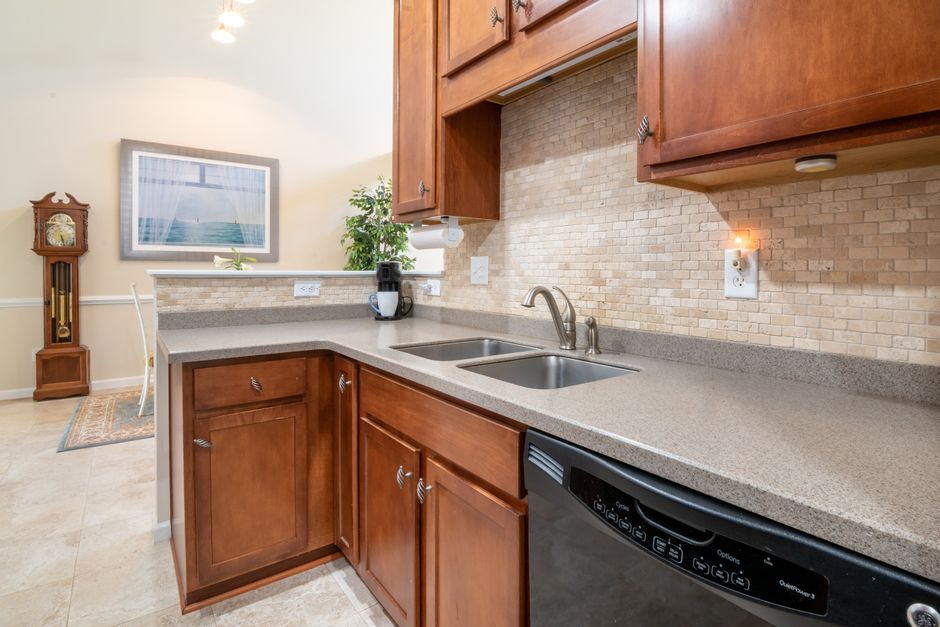
A sharp tick from the counter, followed by a hairline running out from a pan ring, is the sound of resin and stone expanding at different rates. Each scorched ring that quartz countertops austin visa vis has logged sat in the same place: the stretch of quartz beside the range in an Austin, TX kitchen where the cook sets a pan down without thinking.
Why resin limits the heat
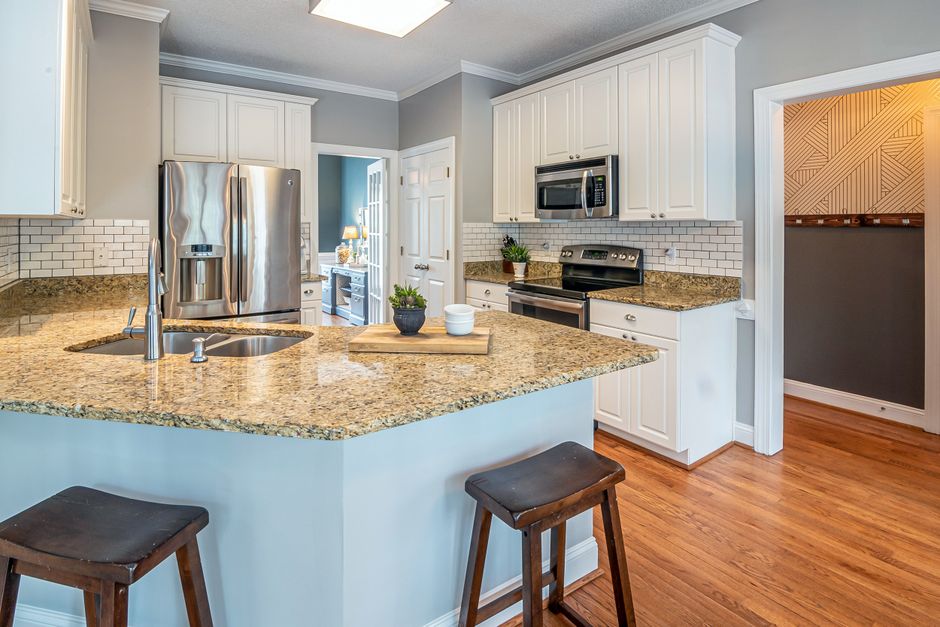
Engineered quartz is crushed stone held together by resin. The stone tolerates heat well. The resin does not. A pan straight off a burner can carry more heat than the binder takes, and the surface under it may discolor, dull or crack. Granite and quartzite handle the same pan without harm, which is the main reason cooks who work hard at the range sometimes choose them instead of an engineered slab.
How the damage shows up
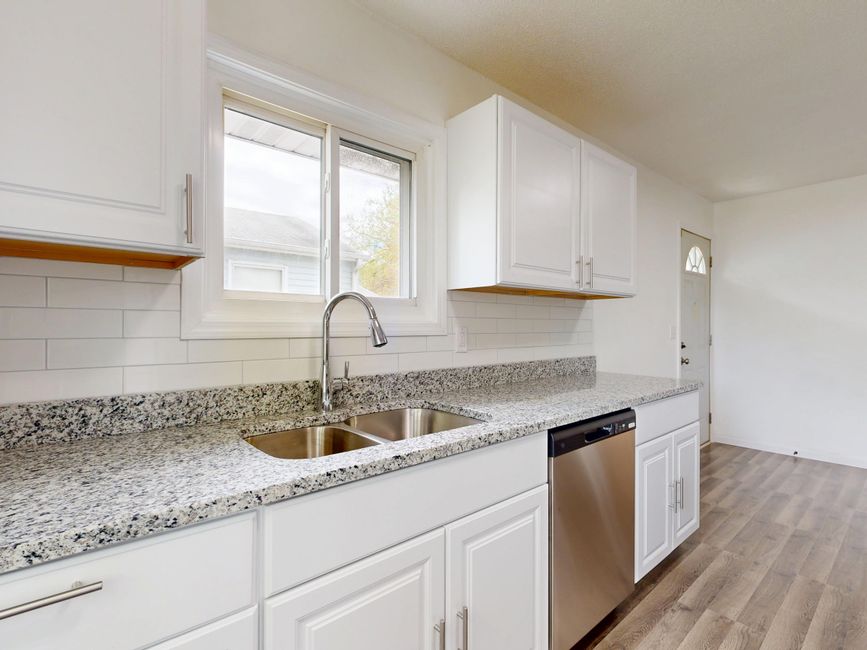
Scorching appears as a yellowed or pale patch with a clear outline of the pan base. Thermal shock is subtler: a crack starts at a cutout corner or along a line where the slab is thin, often a few minutes after the pan is lifted. The cutout beside a cooktop is the most exposed spot, because the corner already carries stress and the heat arrives close by.
Austin summers make it worse
Long hot months leave a house warm for hours after sundown, and the oven still runs. A counter that already sits at a high background temperature has less margin when a pot comes off the stove. Kitchens that open onto a patio, the way many do in Tarrytown and around Zilker Park, add direct sun on top of cooking heat. The two together shorten the safe window.
Trivets and habits that work
A trivet or a heat pad under every hot pan, tray and slow cooker is the whole fix. Cast iron skillets, baking sheets from a hot oven and air fryers that vent from underneath are the usual culprits. Keep a trivet where the pan lands, not in a drawer. A hot pad takes no time, and a scorched ring on quartz cannot be sanded away the way it can on butcher block.
Where the cooktop sits
A fabricator can help at the layout stage. Seam placement should avoid a join right beside the burners, because a seam is a place the surface is already working. An overhang at the range side should be supported, and a cutout needs rounded inside corners rather than sharp ones. A template taken carefully shows exactly where the range will sit.
If the range is the heart of the kitchen
Some households cook heavily enough that natural stone near the range and quartz elsewhere makes sense. Mixing slab types is common in a larger layout, with the quartz taking the island and the granite or soapstone sitting around the cooktop run.